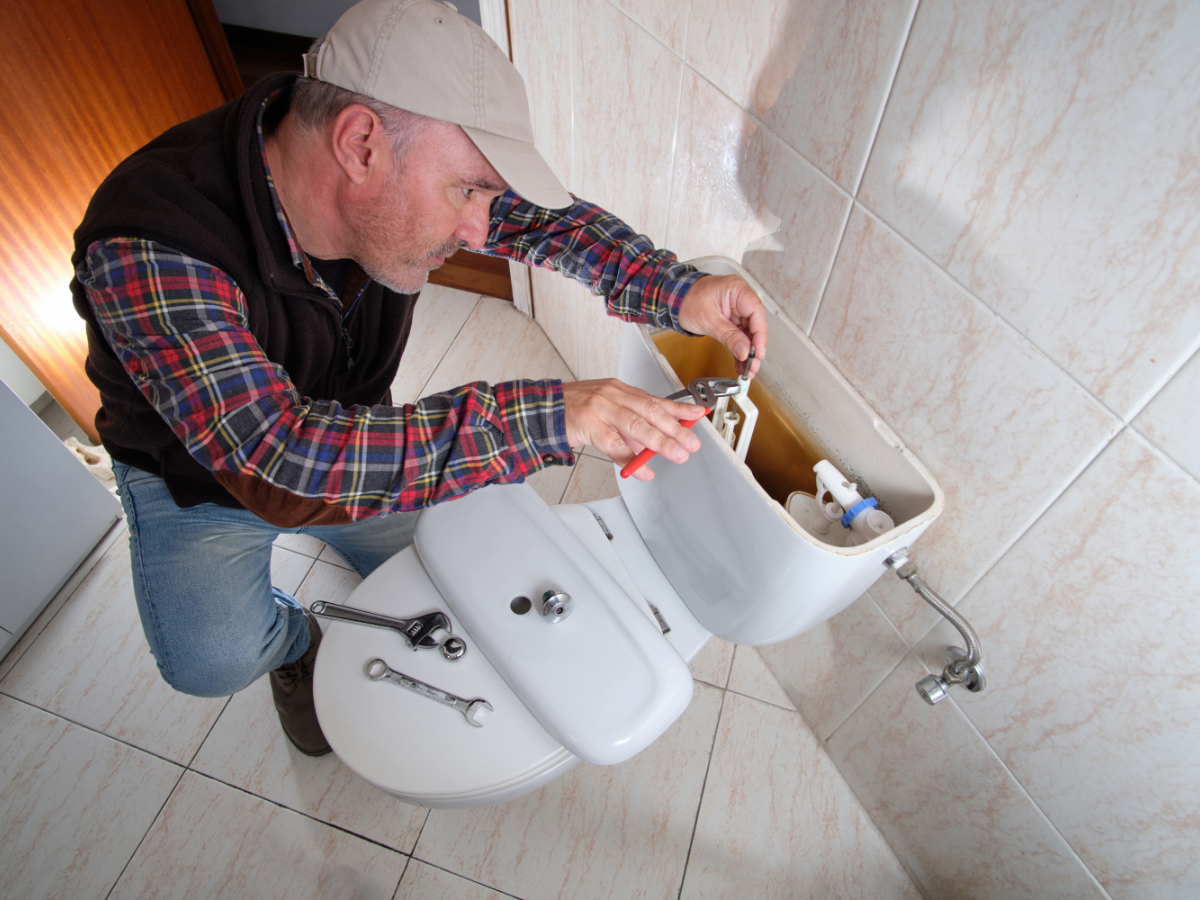
 A toilet flapper is one of the more noticeable parts in the tank that you’ll see moving whenever you push the flush handle. Once you activate the lever, the flapper lifts and allows water to flow into the toilet bowl through the flush valve.
Flappers are usually made from rubber, silicone or plastic, and they will eventually break down over time. The average life span of a flapper is several years. Knowing when your toilet’s flapper might break helps you avoid issues such as running toilets and wasted water.
In this guide, we’ll cover the lifespan of a toilet flapper, along with the signs of deterioration and how to test the current one. By the time you finish reading, you’ll know when to call our Orlando plumbers for help.
Quick Takeaways
- Most toilet flappers last three to five years, depending on your home’s water quality and usage.
- Flappers will wear out faster in houses with hard water, mineral buildup or heavy chlorine levels.
- Common signs of an aging flapper include weak flushes, ghost flushing and constant running.
- Replacing a flapper is a low-cost way to fix most running toilet issues.
- If your toilet still runs after a flapper replacement, then your next step is to check for a fill or flush valve issue.
How Long Does a Toilet Flapper Actually Last?
Most homeowners can expect a toilet flapper to last within the range of three to five years. Flappers in bathrooms that are used every day tend to wear out faster. The water in our Orlando communities also tends to be hard on flappers, much like it is on other plumbing parts.
Environmental factors such as high chlorine amounts and minerals in the water can cause faster deterioration, and even a worn-out chain could limit the flapper’s life span.
Watch for These Signs Your Toilet Flapper Needs Replacement
Failing toilet flappers tend to exhibit several symptoms that you’ll notice whenever you’re in the bathroom.
Constantly Running Toilet
A bad seal allows some water to leak around the edges of the flapper, which will create a continuous flow.
Ghost flushing or Random Refills
While it might be fun to joke with your kids that a ghost just flushed the toilet, you’ll want to follow this up with a flapper inspection. A slow leak can allow the water level to drop enough to trigger the flushing mechanism without anyone touching the handle.
Weak or Incomplete Flushes
A failed flapper seal reduces the water volume in the tank to the point where there might not be much available to complete a full flush.
Water Leaking Into the Bowl
A slow, silent leak into the bowl might be most noticeable in your water bill. You could also see water lightly running down the sides of the bowl beyond the normal time it takes for a flush.
Visible Wear, Cracks or Warping
Mineral deposits on a toilet flapper can look like crusty, white buildup. You could also see signs of rot, such as black or greenish-brown mold residue. Cracks or warpage also indicate flapper damage that requires replacement.
What Causes a Toilet Flapper to Finally Wear Out
Some reasons why a toilet flapper wears out are preventable, but you might not be able to halt normal wear and tear.
- Hard water minerals
- Chlorine exposure
- Chemical toilet tank tablets
- Continuous high water pressure
- Chain misalignment
- Natural rubber degradation
How to Test Whether or Not Your Toilet Flapper Is Bad
DIY toilet flapper testing is actually kind of fun. If you have kids in the house, then gather them around for a quick experiment.
- Add food coloring or a dye tablet to the tank
- Wait 10 to 20 minutes to flush.
- If color shows up in the bowl, then the flapper is leaking and needs replacing.
How to Replace a Toilet Flapper
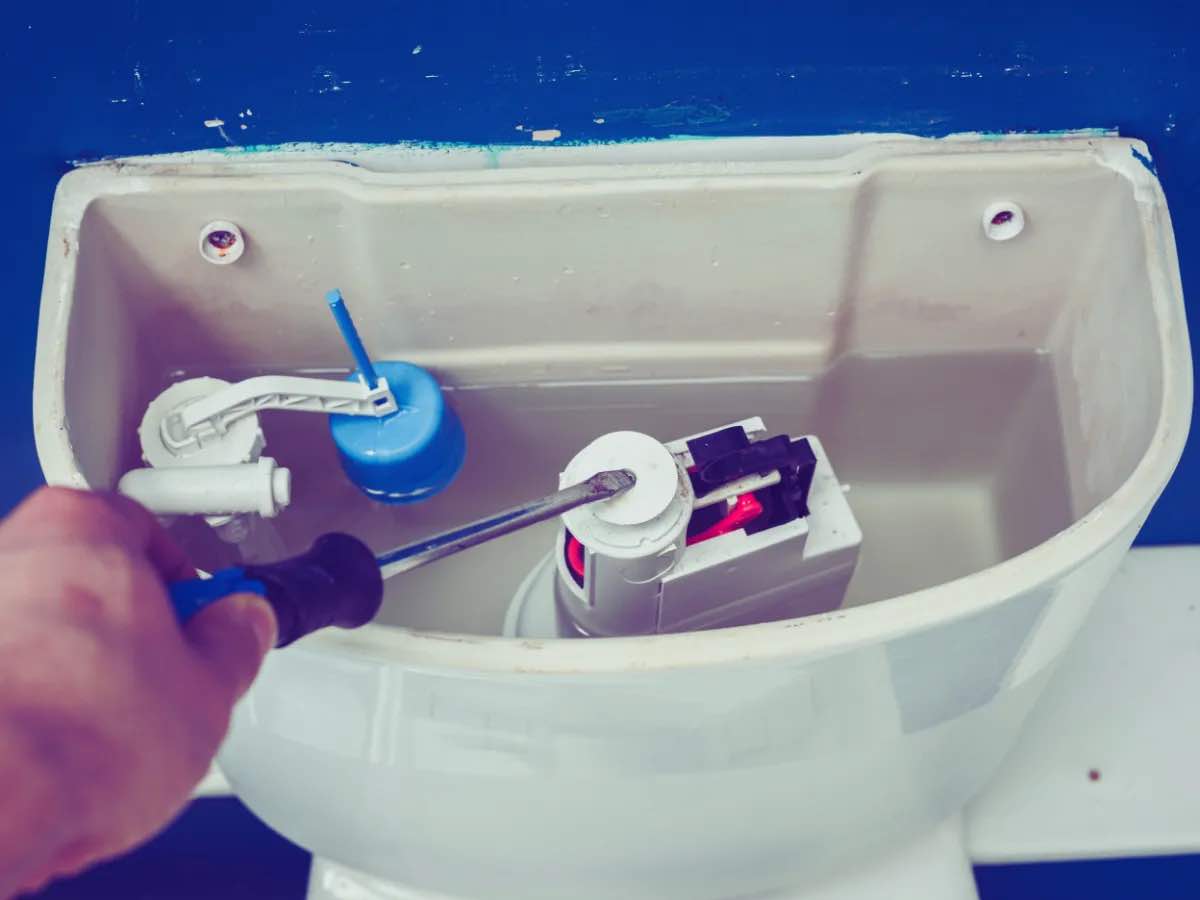 If you’re fairly handy, then you might be able to do this essential plumbing task.
- Turn off the water supply.
- Remove the tank lid.
- Disconnect the old flapper from the flush valve.
- Attach the new flapper and connect the chain.
- Adjust the chain length.
- Turn the water back on and test.
Can You Extend the Lifespan of a Toilet Flapper?
You have several ways to ensure that your toilet flapper lasts as long as possible.
- Avoid using bleach tablets.
- Install a chlorine filter tablet, as necessary
- Clean the mineral buildup
- Test the flapper seal each year
- Check your water quality for hardness
When to Call Our Plumber Instead of Replacing the Flapper
Being aware of these signs that replacing the flapper won’t fix the problem helps you know when to ask our plumber to help you with the next steps.
- Toilet still running after a flapper replacement
- Water level is constantly dropping
- The fill valve is damaged
- Flush valve seat is pitted or warped
- Multiple toilet components are failing
- Your home has recurring hard-water buildup problems
Our toilet repair services cover all of the things that go wrong, and we can offer solutions to prevent premature wear of the parts in the future.
FAQ: Toilet Flapper Lifespan and Replacement
Finish out your toilet flapper research with this quick list of answers to common questions.
Do toilet flappers go bad?
Most toilet flappers are made from rubber that can break down due to exposure to chemicals, and seals become loose once mineral buildup gets in the way.
How often should you replace a toilet flapper?
Usually, every three to five years or when the conditions shorten the lifespan even more.
Why is my toilet flapper not sealing properly?
There could be a warped valve seat, improper chain length or an incorrect model size.
Can I clean a flapper instead of replacing it?
Maybe, if the problem is mineral buildup, then gentle cleaning methods could work. Rubber degradation requires a replacement.
Does hard water shorten a toilet flapper’s lifespan?
Yes, mineral accumulation can dry out and interfere with a proper seal.
Are chemical toilet cleaners bad for flappers?
Yes, bleach accelerates the rubber’s decay.
Is it safe to replace the flapper myself?
You can replace the flapper, but be alert for signs that the damage involves other parts.
Need Fast Toilet Repair in Orlando? Call Our Professional Plumbers
 Slow flushes, ghost flushing and running toilets are all frustrating problems that waste water and money. Replacing a worn flapper is usually a simple fix, but underlying valve issues do require calling a pro. Benjamin Franklin Plumbing serves Orlando and the nearby communities with punctual plumbers who are always ready to help.
Call our Benjamin Franklin Plumbing team today to get fast and reliable toilet repair. We’re the on-time plumbers you can count on to get your toilet working perfectly again.