 After a lifetime of water tanks, switching to tankless water heaters can feel like a major change. These units are known for saving energy and providing impressive performance, which is why they are growing in popularity among homeowners in Central Florida.
At Benjamin Franklin Plumbing of Orlando, we can walk you through the different types of gas and electric models. We’ll review how each model works so that you can select the right one for your home.
Quick Takeaways
- You can get tankless water heaters that are gas or electric.
- An electric model relies on high-powered heating elements instead of just using combustion.
- Meanwhile, gas models use propane or natural gas and a burner to heat water.
- Electric models tend to be incredibly energy efficient and easy to install. They are ideal for smaller homes.
- A gas unit works best if you have a large home that requires a lot of hot water. However, they have more installation requirements.
- Both options ensure a non-stop source of hot water.
How a Tankless Water Heater Works
With a traditional water heater, a unit creates hot water that is stored in a tank until it is required. Tankless water heaters don’t use a tank because they heat water as it is needed.
The process begins when you turn on the hot water tap. This triggers cold water to enter the water heater. Depending on the type of water heater, a gas burner or an electric element heats up the water. Then, the water traverses your plumbing system until it reaches the hot water tap.
Thanks to this convenient system, homeowners can enjoy having instant, continuous hot water without having to waste energy on a tank storage. Because these units don’t have any standby heat loss, they can reduce your water heating costs by as much as 30% to 40%.
Gas vs. Electric Tankless Water Heaters
To give you a better understanding of each water heater option, we’ll map out the key differences between gas and electric units.
Gas Tankless Water Heaters
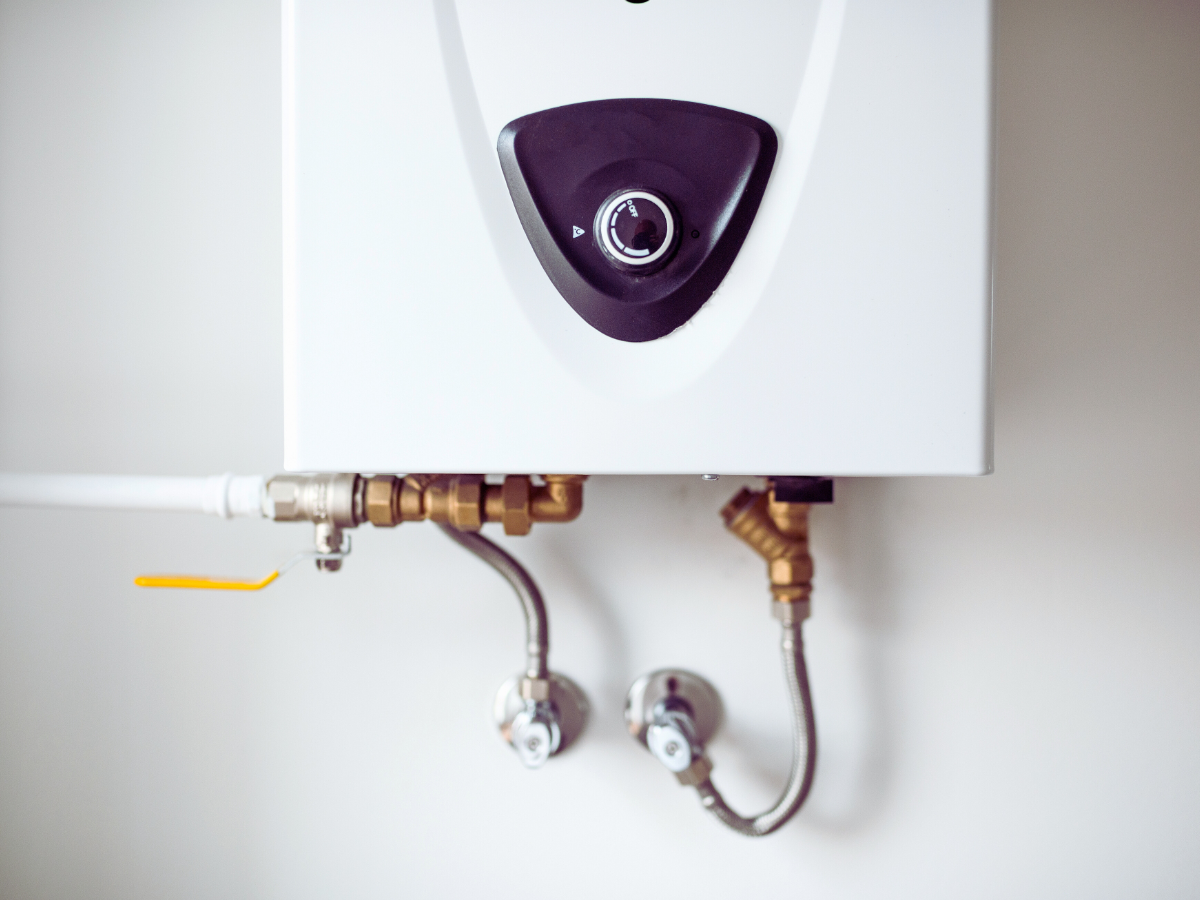 Gas tankless water heaters rely on natural gas or propane. A gas burner and heat exchanger warm up the water before it is sent to each fixture in your home. Because of how powerful and effective gas is at heating water, it is ideal for large homes. If multiple occupants require hot water at the same time, this is also a good choice.
With gas models, you can enjoy hot water in cold climates and a long-lasting unit. Because of their high flow rate, gas water heaters can easily supply showers, washing machines, and kitchens at the same time.
However, these units require a gas line or venting. This means they have a higher installation cost. To prevent safety problems, you’ll also need to perform combustion maintenance and descaling.
Electric Tankless Water Heaters
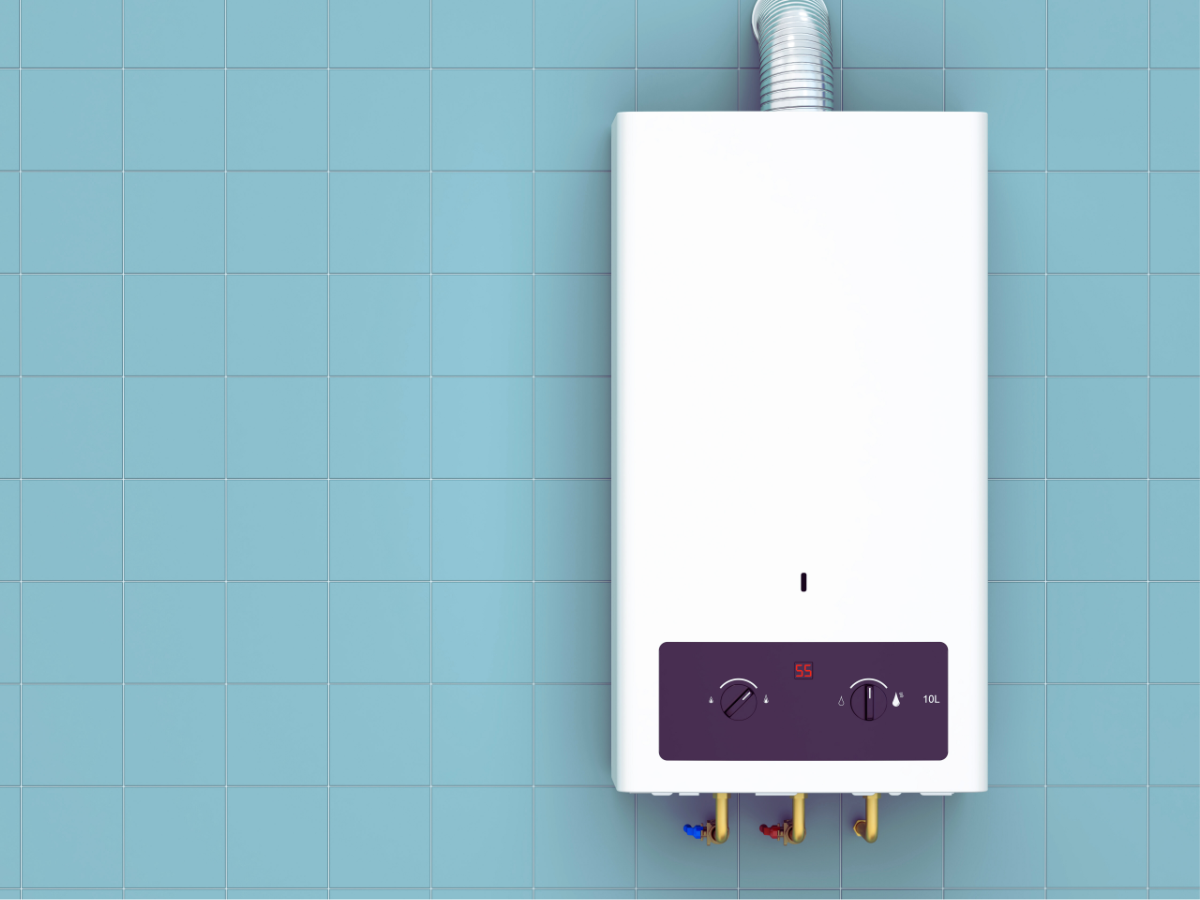 Meanwhile, electric tankless water heaters use electricity and electric resistance heating elements. They are ideal for small homes and apartments.
Electric units are easy and inexpensive to install. Besides being compact in size, they operate quietly and don’t require any venting. However, they have a lower flow rate, so they’re less effective for homes that require a lot of hot water. Additionally, you may need to upgrade your electrical panel to supply the added energy requirements.
How To Tell If You Have a Gas or Electric Tankless Water Heater
If you currently have a tankless water heater, you can see which option you have by looking at the power source. Electric units will be wired to your breaker panel.
With gas units, there will always be an exhaust vent and a gas line. When in doubt, you can always talk to one of our technicians about the type of water heater you have installed in your home.
Which Water Heater Type Is Better for Your Orlando Home?
To determine the type of water heater you should get, consider your household size, space availability, ventilation needs, fuel source, and budget. Many Orlando homes use electric tankless water heaters due to their easy installation, low upfront costs, and effectiveness for mild winters.
However, large homes or homes that have existing gas lines may prefer tankless options instead.
Benefits of Going Tankless
Making the leap and adopting a tankless water heater can bring a few essential benefits.
- Endless, on-demand hot water
- Lower energy costs
- Better unit lifespan
- Space-saving design
- Reduced incidence of leaks
FAQs
To help you discover the right water heater for your needs, we’ve compiled a list of some of the most commonly asked questions.
Are tankless water heaters gas or electric?
They can be both! Tankless models can use natural gas, propane, or electricity. It all depends on how your home is set up.
Is a gas tankless water heater better than an electric one?
Gas is a good option, but it isn’t the only one. While gas handles high demand better, an electric heater is much easier to install. Electric water heaters also involve easier maintenance processes.
Is a gas or electric tankless water heater easier to operate?
Typically, electric units are less costly upfront. They also require less maintenance. In comparison, gas units are cheaper to operate over the long run if you already have natural gas lines set up.
Do tankless water heaters need special wiring or venting?
Yes, gas units will need special venting and gas lines in order to operate as safely as possible. In many cases, electric units will often require an amp breaker or wiring upgrade.
How long do tankless water heaters last?
You can generally expect your new tankless unit to last around 15 to 20 years. This is significantly longer than traditional water heaters.
Book Expert Tankless Water Heater Installation in Orlando
 Whether you’re looking for a gas or electric heater, we can help. Our punctual plumbers can handle all of your installation, repair, and maintenance needs.
For more information about our services and a free consultation, give us a call today!