Water heaters often make noise, but not all of those noises are normal. Rather, sediment buildup, water pressure changes, loose parts, or failing heating elements could all cause abnormal sounds.
Thus, water heater noises are often signs that you need professional repair services.
This guide will describe those warning sounds: what they could mean and what you should do about them.
Quick Takeaways
When it comes to water heaters:
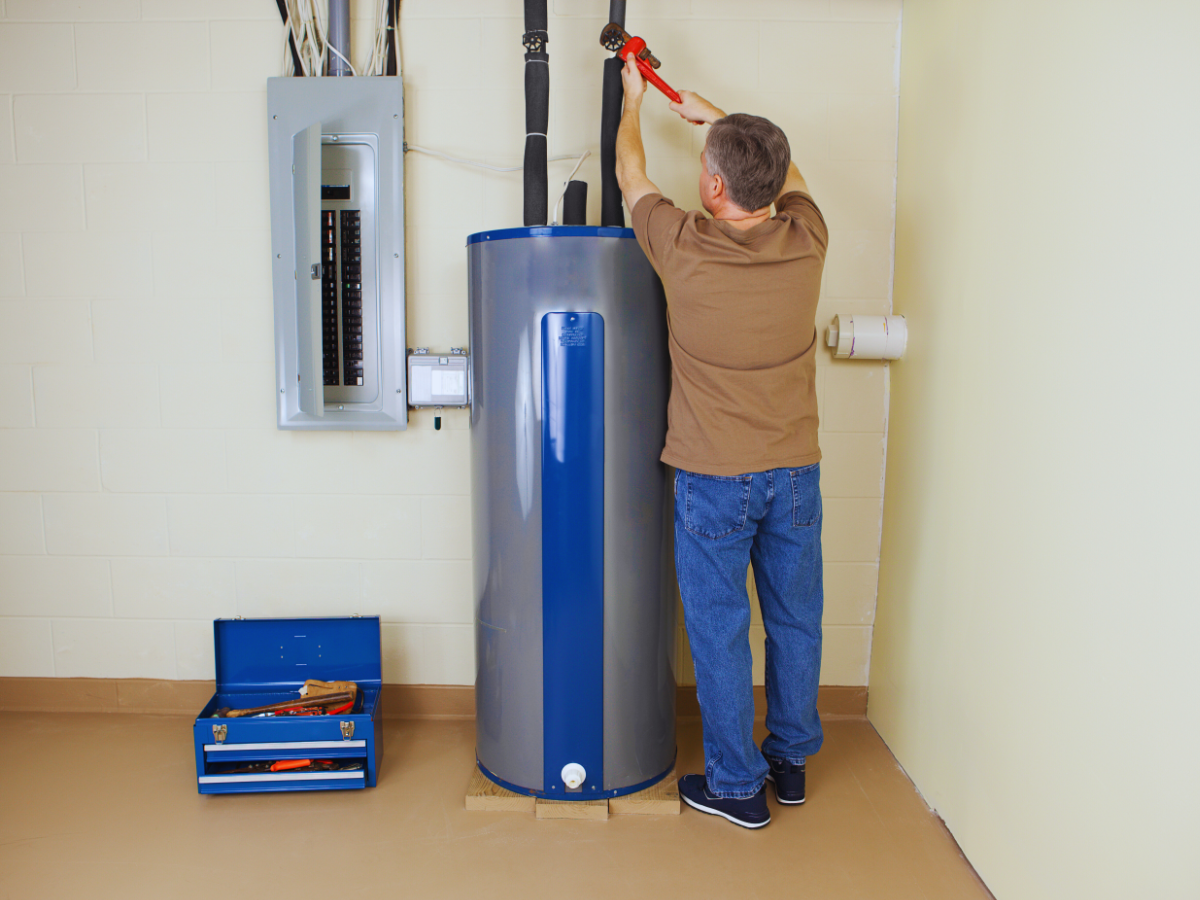 Popping or rumbling typically indicates sediment buildup.
- Banging suggests water pressure issues. Or it could be water hammer, a loud noise that occurs when water suddenly stops or changes direction.
- Humming often means a problem with the electric heating element.
- Hissing could be caused by leaks or valve malfunctions.
- If you hear any of the above noises, act promptly. Otherwise, your water heater’s lifespan might be shortened.
- A professional inspection can prevent costly tank failure.
Why Is My Water Heater Making Noise?
Water heaters frequently make noise when something’s wrong. Certain components — like the valves or the heating elements — could be failing. Your water pressure might be fluctuating. Or sediment could be gathering inside the tank.
Moreover, the sound can indicate what the specific issue is. Popping, banging, humming, hissing, and other noises all have their own root causes.
Thus, once you’ve identified the sound, you could figure out what to do next. Maybe the issue is harmless, and no immediate action is needed. Or perhaps you should call for repairs as soon as you can.
Common Water Heater Noises and What They Mean
Let’s consider these sounds in more detail and learn what they can tell us:
Popping or Rumbling Sounds
Popping and rumbling signify sediment buildup. What you’re actually hearing are trapped water bubbles breaking through mineral layers.
Incidentally, a water heater usually comes with an anode rod. The purpose of that metallic rod is to attract minerals to itself. That way, they won’t corrode the tank.
If your water heater lacks an anode rod — or if this rod’s worn out — you could have a new one installed. By doing so, you’ll protect your heater and extend its life.
Banging or Knocking
Banging or knocking could result from expanding pipes, high water pressure, pressure regulator issues, or water hammer (which is also known as hydraulic shock).
Humming or Buzzing
Louder-than-normal hums and buzzes are common in electric water heaters, and they’re usually repairable. The culprit might be a loose heating element or sediment that’s coating the electric element.
Hissing or Sizzling
Are you hearing water heater sizzles and hisses? If so, there might be condensation dripping on the burner. Or the pressure relief valve may be releasing steam or hot water.
If these sounds persist, you’ll probably need an inspection.
Whistling or Screeching
Water flow that’s restricted, a valve that’s partially closed, or an excess of pressure can all result in whistles and screeches.
Is It Normal for a Water Heater to Make Noise?
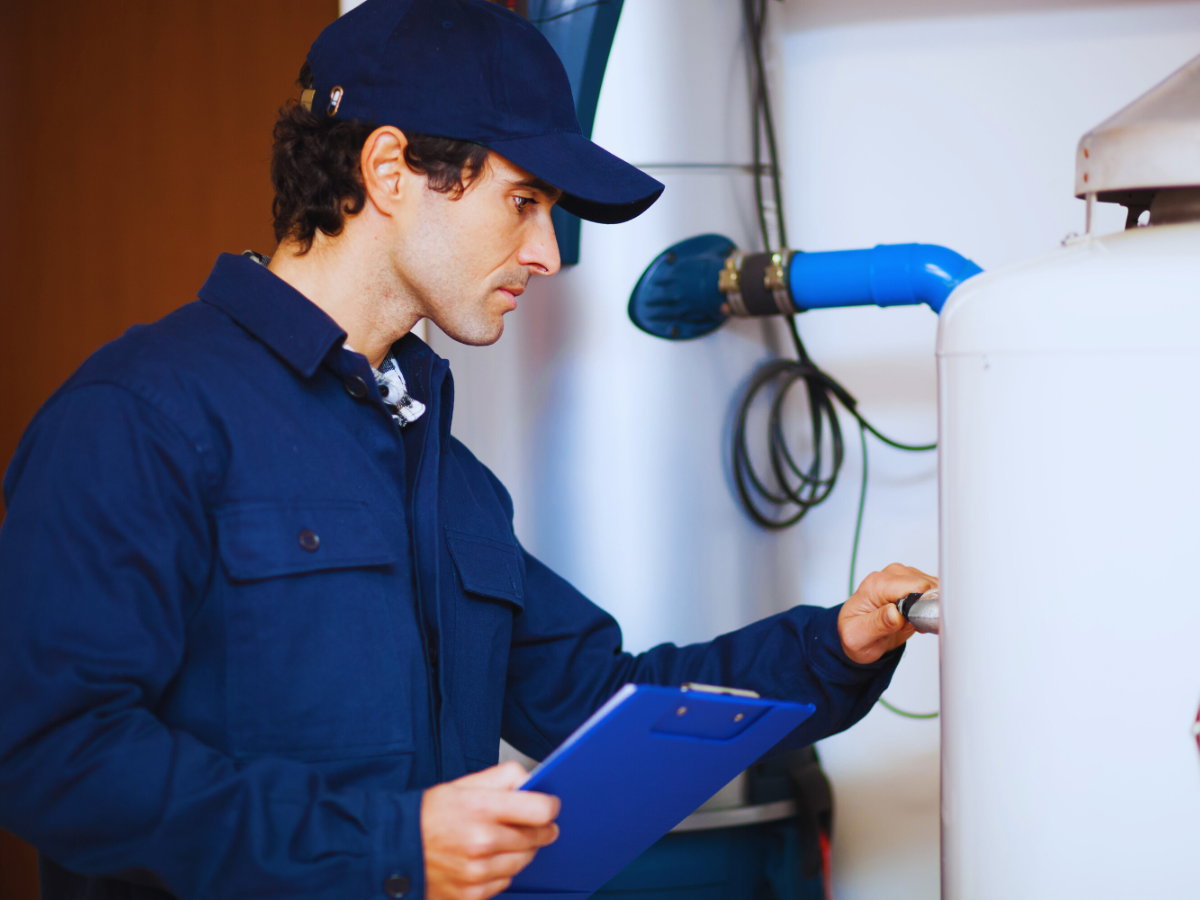 Most water heaters will make at least some noise. They might hum when water enters, tick during the heating cycle, or click during thermal expansion, to name three examples.
On the other hand, loud, sudden, or worsening water heater sounds aren’t normal. If you experience such noises, don’t hesitate to schedule professional services.
Why Sediment Buildup Is the Most Common Cause
In the U.S., most homes have hard water in their plumbing systems. Hard water contains a high level of dissolved minerals, often calcium and magnesium.
When hard water is heated, its mineral content usually detaches. It then sticks to the bottom of a water heater tank and hardens. Eventually, that sediment layer makes the machine less efficient. It could even overheat the tank.
Should You Flush a Noisy Water Heater Yourself?
Water heater flushing is an annual maintenance task that can take a few hours. It removes sediment and other debris.
To complete this process, you’d shut off your home’s power or gas, turn off the cold water, connect a hose to your water heater’s drain valve, and empty the tank.
It may sound like a simple chore, but it’s wise to have a professional handle your flushing. That’s because it involves risks of scalding, electrical injury, and more.
Not to mention, amateur flushing can cause damage. The drain valve might break, for example. And, in some cases, older tanks will start to leak as soon as their sediment is removed.
Can a Noisy Water Heater Be Dangerous?
Yes, a noisy water heater poses certain dangers. The tank could crack or fail. The gas burner could clog. The pilot light could go out.
As a result, your home might have inconsistent water temperatures — or maybe no hot water at all.
Even worse, pressure could be building up inside a noisy water heater. That pressure could lead to leaking. In rare cases, it could even cause an explosion.
Schedule Water Heater Repair in Orlando Today
 Simply stated, professional water heater inspections and repairs will protect your home and your family — now and over the long run.
In the end, these services could save you money as well. That’s because it’s costly to replace water heaters that expire prematurely. Likewise, dealing with residential water damage can be hugely expensive.
Fortunately, in Orlando and the surrounding areas, Benjamin Franklin Plumbing is an excellent option for expert water heater services.
Our experienced and cordial team members can handle any plumbing issue, including emergency repairs. We’re completely dedicated to customer service, and our work is second to none.
So if your water heater has started making strange sounds, there’s no reason to delay. Call Benjamin Franklin Plumbing — Orlando’s Punctual Plumbers — and let’s fix the noise before it becomes a leak.