 There are multiple ways to clean your drains, but not all drain cleaning methods are equal. Some drain cleaning techniques are perfect for clearing out grease, soap scum, and hair, but others can wreak havoc on aging pipes if used incorrectly.
Hydro-jetting, snaking, plunging, and chemical and enzymatic drain cleaners are among the most common drain cleaning methods. Plumbers can also use video camera inspections to inform their work.
Each method has its own benefits, drawbacks, and ideal use cases. At Benjamin Franklin Plumbing – Orlando, FL, we’re sharing an in-depth look at the top seven drain cleaning methods to help you find the perfect option for your home.
Quick Takeaways
- You can get rapid results for tough buildups with mechanical drain cleaning methods like hydro-jetting and drain snaking. But these treatments require professional expertise.
- Chemical drain cleaners can clear light buildups and minor clogs. However, these corrosive or caustic agents dissolve organic materials indiscriminately. With incorrect or repeated use, chemical drain cleaners can corrode pipes over time.
- Enzymatic drain cleaners are an eco-friendly and safe alternative to chemical drain cleaners. They aren’t the best choice for clearing tough clogs, but they work well for minor obstructions and maintenance purposes.
- Camera inspection services help plumbers pinpoint the locations of drain blockages and determine the type and magnitude of drain buildups. This info helps plumbers determine the best drain cleaning methods.
- For all deep, recurring, and stubborn clogs, professional drain cleaning provides an effective and lasting solution.
Why You Need the Right Drain Cleaning Method
 Drain buildups are an inevitable part of using your plumbing system. Over time, your drains and drain pipes develop thick coatings of soap scum, mucus, hair, and other waste. These buildups make regular drain cleaning essential plumbing maintenance.
All your drains converge onto your sewer pipe. The same soft and semi-soft waste in your drains accumulates here, too.
However, sewer pipes are also subject to encroachment by aggressive tree and weed roots. Hard water sediment from dissolved calcium and magnesium settles in sewer pipes as well.
As these buildups adhere to pipe walls, they leave less room for waste flow. Unchecked buildups and blockages can lead to malodorous and slow-moving drains in the building interior. They can also cause recurring drain clogs and whole-house backups. As such, drain cleaning importance cannot be overstated.
With several types of drain cleaning available, it’s important to choose the best one for your targeted drain debris and your pipes. The wrong drain cleaning methods can scratch off protective pipe coatings, accelerate corrosion, or crack pipe materials.
While some drain cleaning methods effectively flush out soap scum and hair, they’re less effective against invasive tree roots and other tough obstructions. If the drain cleaning method you choose doesn’t resolve the underlying problem, your risk of whole-house backups will remain.
Orlando has a number of special risk factors for dirty sewer lines and drains. The region’s hard water contributes to substantial mineral deposits. Sandy soils cause sewer pipes to shift and settle, and may cause sewer bellies or offset pipe sections. With lots of subtropical vegetation, the risk of tree and weed root encroachment if often high.
Types of Drain Cleaning Methods (and When to Use Them)
Plumbers offer multiple drain cleaning methods to address multiple buildups, blockages, and pipe materials. There are also several drain cleaning techniques that homeowners can leverage on their own.
1. Plunging (Manual Pressure Cleaning)
What It Is: Plunging is the first step in troubleshooting a minor drain clog. Homeowners place plungers over drain openings to create tight seals. Suction and pressure force trapped items out of position to trigger the movement of wastewater.
Best For: Plunging is best for bathroom sinks, tubs, and single-drain clogs near drain openings.
Pros: Plunging is simple and effective for many light blockages. It’s also an inexpensive and hassle-free drain-clearing technique.
Cons: Plunging works well for mild clog removal, but it doesn’t actually clean drains. It can’t remove built-up grease or invasive tree roots, and it can’t reach deep clogs.
DIY Tip: For best results, use flange plungers for toilets and cup plungers for sinks.
2. Drain Snaking/Augers
What It Is: Drain snakes and drain augers are slim, retractable cables that homeowners extend into clogged drains and pipes. These flexible hoses have sharp tips that break through clogs or pierce trapped materials and pull them out.
Best For: Drain snakes and augers are best for hair, soap scum, and other soft or semi-soft buildups.
Pros: Drain snakes and augers offer a fast and effective solution for many mid-depth clogs. They’re also safe for most drain pipes.
Cons: Drain snakes and augers can scratch or puncture old pipes if used incorrectly. They can also scratch protective pipe and fixture coatings and void fixture manufacturers’ warranties. Retracting these tools too quickly can also lead to serious physical injuries.
Professional Variation: Professionals use power augers for deeper and more stubborn clogs. Sometimes referred to as rooter machines, these tools can have built-in clog detectors, waste-flow monitors, and diagnostic video cameras.
3. Hydro-Jetting (High-Pressure Water Cleaning)
What It Is: Hydro-jetting uses high-pressure streams to blast through blockages in drain pipes and sewer lines. Plumbers can perform hydro-jetting at pressure levels as high as 3,500 psi.
Best For: Hydro-jetting can flush out heavy grease buildups, biofilms, sludge, and more. It can even break down mineral deposits and tree roots.
Hydro-Jetting Tip: Hydro-jetting is a water-based, pressurized drain cleaning technique that scours wastewater pipes. It breaks through invasive tree roots and hard water minerals, and sloughs off grease and other grime.
Pros: Hydro-jetting scours pipe walls and leaves them pristine. It opens pipe interiors to expedite waste flow. For many drain and sewer line problems, hydro-jetting offers a chemical-free, long-term fix.
Cons: Hydro-jetting isn’t recommended for weak or older pipes. Hydro-jetting requires professional handling.
4. Enzymatic Drain Cleaners (Biological Solutions)
What It Is: Enzymatic drain cleaners are enzyme-based cleaners that digest organic buildups over time.
Best For: Enzymatic cleaners work best for preventative drain maintenance and light, organic clogs.
Pros: Enzymatic drain cleaners are eco-friendly. They’re also safe for all pipes and septic systems.
Cons: Enzymatic drain cleaners take time to work. They typically take 24 to 48 hours to clear mild clogs. They’re also ineffective against hard, solid obstructions and non-organic materials.
Pros: Chemical drain cleaners are fast-acting and readily available. You can purchase them for a nominal price at most grocery, hardware, and home stores.
5. Chemical Drain Cleaners (Caustic or Acidic)
What it is: When homeowners add them to trapped wastewater, chemical drain cleaners undergo rapid and intense chemical reactions. These reactions dissolve trapped waste.
Best For: Chemical drain cleaners offer a quick fix for soft, minor, organic clogs.
Cons: Although low in cost, chemical drain cleaners can cause expensive plumbing damage. They can corrode metal pipes, melt PVC joints, and harm septic systems. They can also cause severe skin and eye burns and respiratory irritation.
Warning: Never mix chemical drain cleaners with other agents, such as vinegar or bleach.
6. Video Camera Inspection
What It Is: During a video camera inspection, plumbers insert a small camera into a plumbing cleanout or other access point. This camera shares clear footage of pipe interiors to help plumbers locate and define obstructions.
Best for: Video camera inspections are best for recurring and unknown clogs. They help plumbers assess the age and integrity of pipes, identify pipe damage, and detect invasive tree roots.
Pros: There’s no guesswork with video camera inspections. While camera inspections don’t actually clean drains, they help plumbers identify the exact problem areas and inform their drain cleaning treatments.
Cons: Video camera inspections require professional equipment and expertise.
Follow-up Methods: Once located and identified, hydro-jetting or augering can clear clogs completely.
7. Air Bursting or Air Jetting
What It Is: Also known as air jetting, air bursting uses bursts of compressed air to push out clogs. Air bursting for drain cleaning should not be confused with air bursting for trenchless sewer pipe replacement. This uses bursts of compressed air to fracture and break down old sewer pipes.
Best for: Air jetting works best for light blockages in short pipe runs.
Pros: Air jetting is fast, chemical-free, and requires minimal water use.
Cons: Air jetting is less effective for major or deep clogs.
Comparing Drain Cleaning Methods
| Method | Best For | How It Works | Pros | Limitations | DIY/Pro | Speed | Risk | Power |
|---|---|---|---|---|---|---|---|---|
| Plunging | Single fixture, shallow clogs | Seal + push/pull pressure to dislodge debris near opening |
|
|
DIY | |||
| Drain Snaking / Auger | Hair, soap scum, mid-depth clogs | Flexible cable breaks through or retrieves clog material |
|
|
DIY / Pro (power auger) | |||
| Hydro-Jetting | Grease, sludge, minerals, roots | High-pressure water (~3,500 psi) scours pipe walls clean |
|
|
Pro | |||
| Enzymatic Cleaner | Light organic buildup, maintenance | Enzymes digest organic matter over 24–48 hours |
|
|
DIY | |||
| Chemical Cleaner | Small, soft organic clogs | Caustic/acidic reaction dissolves debris in standing water |
|
|
DIY (not recommended) | |||
| Video Camera Inspection | Recurring/unknown clogs; pipe assessment | Camera via cleanout maps blockage, damage, root intrusion |
|
|
Pro | |||
| Air Bursting / Air Jetting | Light blockages, short runs | Bursts of compressed air push obstruction downstream |
|
|
Pro | |||
Orlando context: hard water → mineral buildup; sandy soils → pipe shifting; subtropical vegetation → higher root intrusion risk. |
||||||||
How to Choose the Right Drain Cleaning Method for Your Home
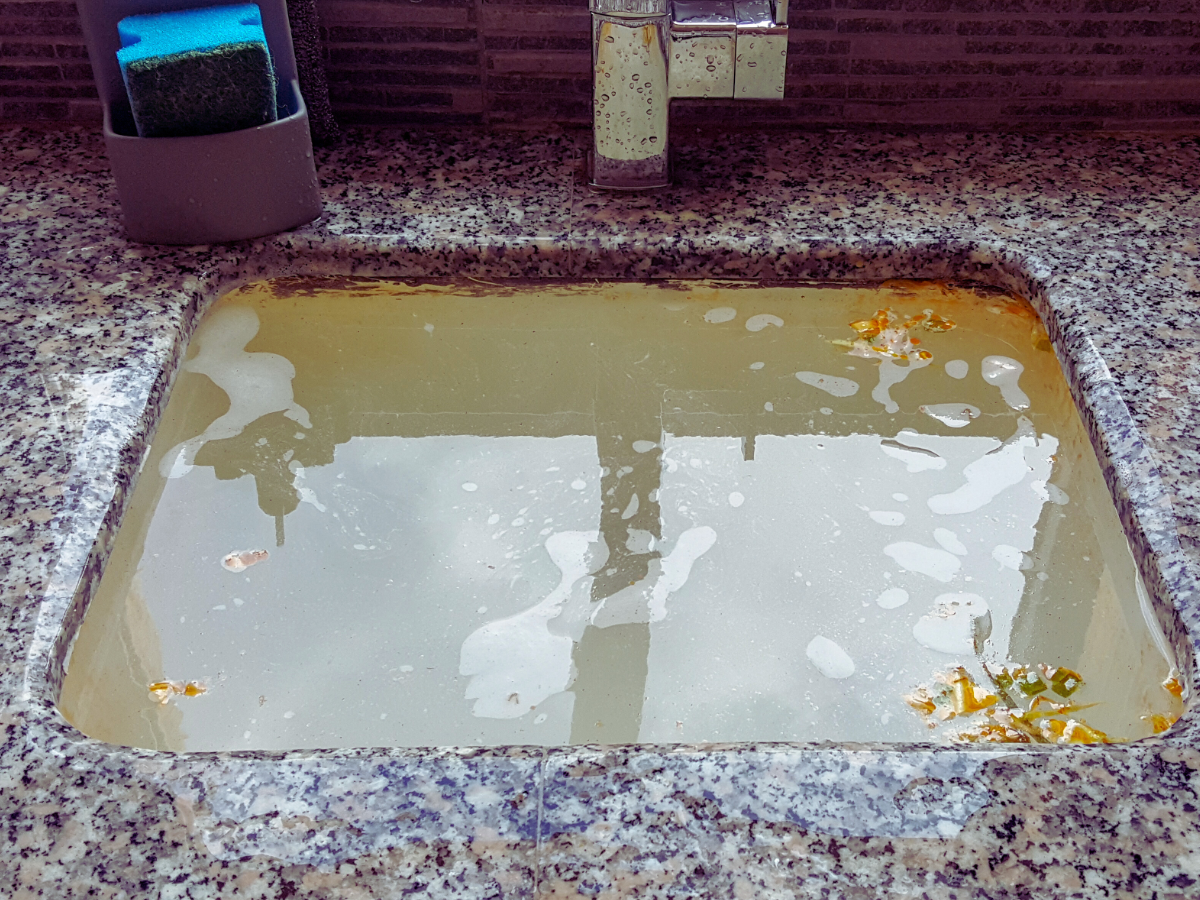 Choosing the right drain cleaning method will ensure a swift resolution to your clog or dirty, slow-moving drains. It can also help you avoid causing secondary plumbing damage during the drain cleaning process.
Identify the Clog Type
Start by identifying the clog type. In bathroom drains, hair and soap scum are common culprits. If you don’t have drain covers, your drain could have a solid, non-degradable obstruction such as a dropped toy, hair accessory, or toothbrush.
Evaluate Pipe Conditions
The best drain cleaning method for new pipes is rarely the best option for pipes nearing the end of their lifespan. Consider the age of your pipes, their materials, and their history of backups and clogs. If your pipes have had problems with tree root intrusion before or if you’ve used corrosive drain cleaning chemicals for prior clogs, give Benjamin Franklin Plumbing – Orlando, FL a call. We can perform a video camera inspection.
Consider Cost vs. Effectiveness
While chemical drain cleaners are inexpensive, they can lead to far more costly repairs down the road. DIY drain snaking and augering can puncture aging pipes or scratch protective pipe coatings. Always consider professional assessment before using either of these methods.
High humidity and subtropical vegetation put pipes in Orlando at greater risk for root intrusion. Soil shifting and soil erosion can cause sewer pipe bellies, offset pipes, and other sewer line issues. Take these factors into consideration before attempting a DIY repair.
DIY vs Professional Drain Cleaning — What You Need to Know
DIY drain cleaning is always uninformed. Without professional diagnostic tools, you can’t be certain where a clog lies, what’s obstructing your drains, and whether there are any pipe problems. When incorrectly performed, DIY plumbing repairs can lead to skin burns, eye injuries, and other personal harm. With professional drain cleaning in Orlando, FL, you can sidestep the risk of pipe damage and personal injury entirely.
If you have a minor clog, you can use a plunger, a small snake, or an enzymatic drain cleaner. Enzyme cleaners are also acceptable for basic drain maintenance. For deep and stubborn blockages, recurring clogs, or sewer-level issues, you’ll need professional tools and treatment, such as hydro-jetting and video inspection.
Preventing Drain Clogs Before They Start
With professional plumbing maintenance in Orlando and the tips that follow, you can prevent drain clogs:
- Install strainers in all kitchen and bathroom sinks
- Never put oil, grease, rendered fats, or coffee grounds down drains
- Use baking soda and hot water to flush your drains each month
- Schedule annual drain inspection services and hydro-jetting as needed
- Use enzymatic drain cleaners for preventative drain maintenance
FAQ: Drain Cleaning Methods Explained
What’s the best drain cleaning method for tough clogs?
Hydro-jetting is the top choice for clearing tough clogs. It can completely remove tree roots, grease, and other common buildups. However, hydro-jetting isn’t suitable for all plumbing systems.
Is it safe to use chemical drain cleaners in PVC pipes?
No, it isn’t. Chemical drain cleaners can weaken PVC pipes. They can also corrode metal over time.
How often should I schedule professional drain cleaning?
You should schedule professional drain cleaning once each year. You should also schedule these services whenever you have slow-moving and foul-smelling drains or recurring clogs.
Can I snake my own drain?
Yes, you can snake your own drain to clear minor clogs. Professional augers are a safer and more effective choice for deeper issues.
What’s the safest drain cleaning method for old pipes?
Enzyme cleaners are safe for old pipes. Plumbers can also adjust pressure settings for hydro-jetting. Low-pressure hydro-jetting can clear obstructions without causing pipe damage.
Schedule Professional Drain Cleaning Today
 While there are multiple ways to clean the drains in your Orlando home, none are safer or more effective than professional drain cleaning. This is especially true for stubborn and recurring clogs. With the local threat of shifting soils, sewer pipe damage, and invasive tree roots, it never hurts to get a professional opinion.
Call Benjamin Franklin Plumbing – Orlando, FL for professional drain cleaning. We’ll choose the safest, most effective method for your pipes — and we’ll show up on time. Because we’re The Punctual Plumber.