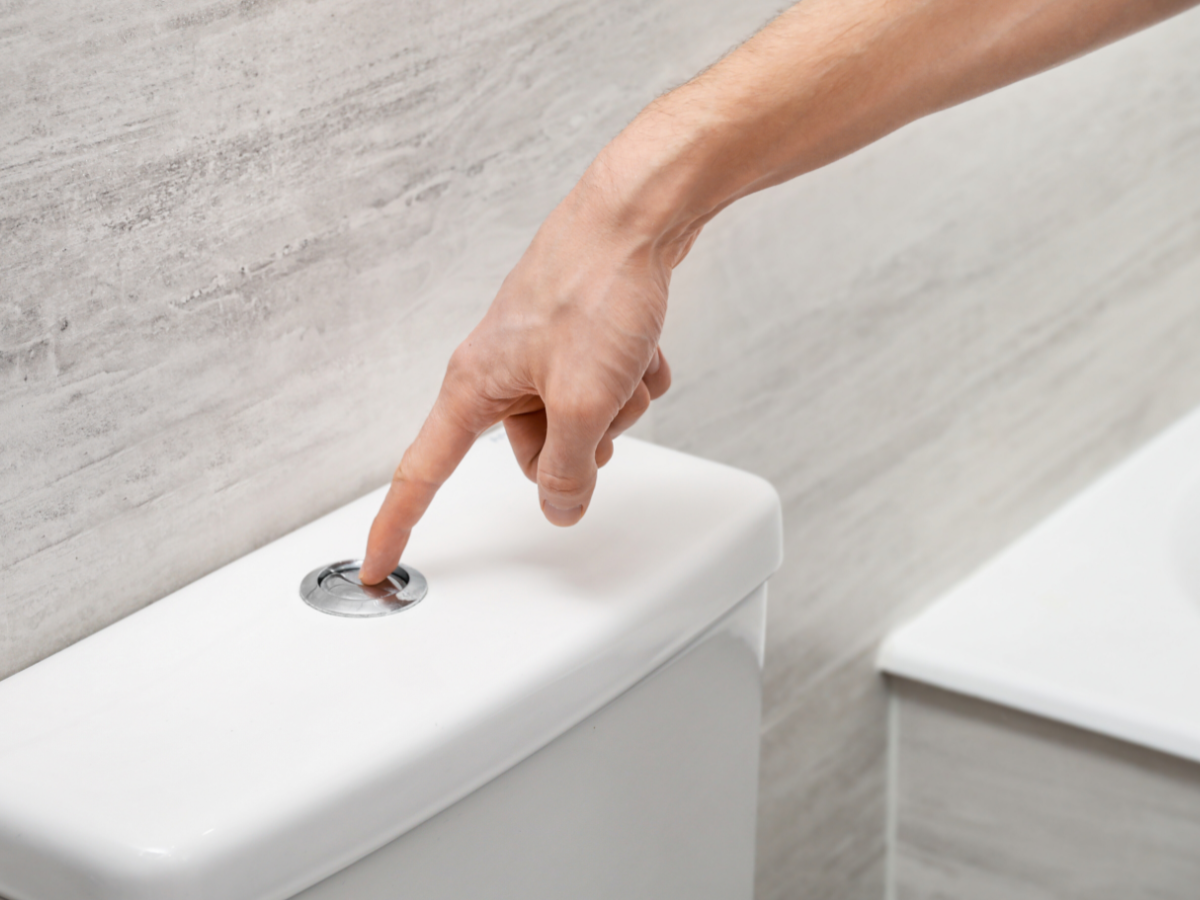
 Few things are more frustrating than waiting for toilet water to go down. A slow flushing toilet is inefficient at whisking away wastewater. At best, dealing with a slow flush is a waste of your time and could lead to increased needs for cleaning. At worst, this could be a symptom of bigger plumbing problems that aren’t too far from happening in the future.
The good news is that being proactive can help you avoid having wastewater backup into your bathroom or clogs developing. In this guide, we’ll break down the real causes and give you the fixes that actually work, along with when you need to call a plumber immediately.
Quick Takeaways
- Slow-flushing toilets often point to clogs, low water levels, mineral buildup or venting issues.
- Most of the time, there are blockages in the trapway or insufficient water flow.
- DIY methods like plunging or adjusting the water tank flow might help.
- Never use chemical drain cleaners in toilets, because they can damage porcelain and seals.
- Persistent slow flushing needs the help of a professional plumber.
What Causes a Slow-Flushing Toilet?
Discovering that your toilet suddenly gives a slow flush is annoying. Checking out these common causes of a slowly flushing toilet gives you insight into what might be going wrong.
1. Partial Clog in the Trapway or Drain Line
A partial clog is the #1 cause of slow flushing toilets, according to our professional plumbers. This small clog could be from toilet paper buildup or wipes. Organic matter and foreign objects could also be the culprit.
Check for gurgling, rising water and slow bowl clearance. You can try using a plunger or auger to break up a blockage. If the water level is high or you suspect a hard object, such as your child’s action figure toy, then skip plunging and call us right away.
2. Low Water Level in the Toilet Tank
A low tank volume reduces the siphon effect that is required for a proper flush. This could happen due to a misadjusted fill valve, a damaged float or a partially closed shutoff valve.
You can check to make sure the flapper chain has the right amount of slack and that there aren’t any obvious broken valves or gaskets.
3. Mineral Buildup in Rim Jets or the Siphon Jet
As an Orlando resident, you may already be familiar with how hard water affects your home appliances. For toilets, mineral buildup is also a problem that leads to weak swirling action, an uneven flow and reduced push.
Vinegar cleaning uses acids to help break up mineral deposits. While it can work on mild buildup, it isn’t always strong enough to remove heavy clogs.
4. Worn or Faulty Toilet Parts
Toilets only contain a few parts, which makes them seem like simple fixtures. But, all it takes is a single faulty part to send cascading effects that limit your toilet’s ability to flush well.
- Flapper: Failure to open fully allows only a small amount of water to move through.
- Chain too loose or tight: Improper slack in the line can stop sufficient water from being released during a flush.
- Worn flush valve: A broken valve could allow water to constantly drain, which lowers the water available to release into the bowl.
- Fill valve refills too slowly: Another reason for the tank to have a low water level that impacts flushing.
5. Blocked or Improperly Functioning Vent Stack
Toilets have a vent pipe that runs through the roof to allow air to enter the drainage system. A clog blocks the air flow, then the vacuum effect could cause a weak flush.
6. Hard Object Lodged in the Toilet or Trapway
Small toys, hygiene items and toothbrushes are just a few of the objects our plumbers find. A plunger lacks the ability to break these objects into smaller pieces, like it could with softened toilet paper.
7. Sewer Line Issues (Worst-Case Scenario)
A collapsed pipe, tree roots or buildup deep in the sewer line will cause multiple fixtures to drain slowly. This is because all of the plumbing lines in your house will eventually meet up and run through the main sewer line. These issues tend to start out small and worsen as more buildup gets stuck in the pipe.
How to Fix a Slow-Flushing Toilet
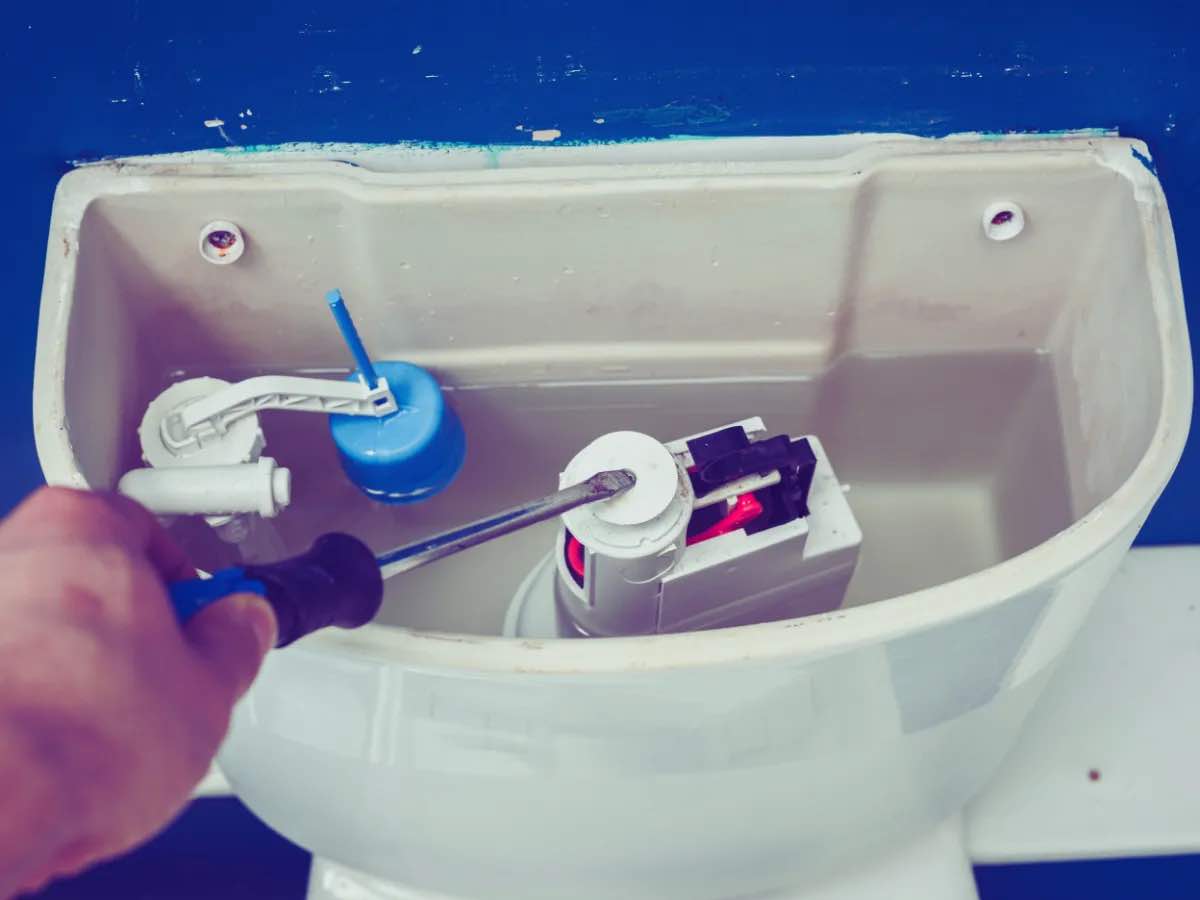 Using this step-by-step guide will help you resolve slow-flushing toilet problems fast.
- Check the tank’s water level.
- Clear the rim jets.
- Use a plunger to break up soft debris.
- Use a toilet auger.
- Check the flapper and chain,
- Inspect the fill valve for signs of damage.
- Check for visible mineral deposits.
- Know when to stop and call a plumber for help.
When to Call a Plumber for a Slow-Flushing Toilet
You should give us a call anytime you feel over your head with plumbing issues, especially when you notice these signs that you need assistance.
- Finding multiple slow fixtures
- Recurring slow flushes
- Noticing evidence of a sewer backup
- Failing to see improvement after basic troubleshooting
- Detecting bad smells from drains
Our professional diagnostic tools can identify vent blockages, deep clogs and sewer issues that most homeowners can’t detect.
FAQ: Common Questions About Slow-Flushing Toilets
Finishing out your research with a read through of these frequently asked questions gives you solutions to this common bathroom plumbing problem.
Why does my toilet flush slowly, but isn’t clogged?
If the water level in the tank looks good, then there could be mineral buildup or venting problems that you can’t easily see.
Can a slow flush fix itself?
While this would be nice, most plumbing problems, such as mineral buildup, will typically worsen or return.
Is it safe to use Drano or other chemicals in my toilet?
Most drain cleaners contain chemicals that break down seals and other toilet materials, such as porcelain.
How do I tell if the sewer line is the real problem?
Sewer line problems often send signals such as gurgling, multiple slow drains and persistent backups.
Why is my toilet suddenly flushing slowly?
Buildup could have finally reached a significant level overnight, and there could be mineral buildup dislodging, too. Failing components could also cause a sudden slow flush.
Can a bad flapper cause a weak flush?
Yes, if the flapper doesn’t open fully, then the water flow during a flush will be weak.
Get Fast Toilet Repair Today With Benjamin Franklin Plumbing
 Slow flushes will typically continue to worsen without repair. But, you don’t have to waste a single second more waiting for the wastewater to leave your house. Our friendly plumbers are known for their fast arrival and diagnostic services. We also offer a fixed-rate guarantee that allows you to relax as we work.
We offer toilet diagnostic and repair services in Orlando, FL and the surrounding areas. Call Benjamin Franklin Plumbing, your punctual plumbers, for fast toilet repair you can trust.